Enhancing Material Safety and Color Performance with Flame Retardants and Oil-Soluble Dyes
In today’s advanced manufacturing and product development landscape, material performance, safety, and aesthetics are essential considerations. Two critical components that help industries achieve these goals are flame retardants and oil-soluble dyes. While they serve different purposes, both play crucial roles in enhancing product quality across sectors such as plastics, textiles, paints, lubricants, and industrial coatings. Understanding their functions, benefits, and applications helps manufacturers make informed decisions for safer, more visually appealing, and high-performing products.
Flame retardants are chemical additives specifically designed to slow down or inhibit the ignition and spread of fire. They work through various mechanisms such as forming a protective char layer, releasing non-flammable gases, or interrupting combustion processes. These additives are crucial for improving fire safety standards in industries like electronics, construction, automotive, furniture, and textiles. As regulations become more stringent worldwide, flame retardants help manufacturers meet compliance while protecting property and saving lives.
One of the primary advantages of flame retardants is their versatility. They can be incorporated into polymers, foams, textiles, and coatings without compromising material integrity. Brominated, phosphorus-based, nitrogen-based, and inorganic flame retardants each offer specific benefits depending on the end-use application. For example, halogen-free flame retardants are preferred in eco-conscious industries due to their lower environmental impact and reduced toxicity. In electronics, flame retardants are essential for circuit boards and wire insulation, ensuring devices remain safe even in high-heat conditions.
On the other hand, oil-soluble dyes are coloring agents that dissolve completely in oils, solvents, waxes, and hydrocarbons. Unlike pigments, which remain suspended as particles, oil-soluble dyes offer excellent clarity, brightness, and uniformity. They are widely used in lubricants, candles, plastics, fuels, polishes, cosmetics, and numerous industrial products where transparent or vibrant coloration is required.
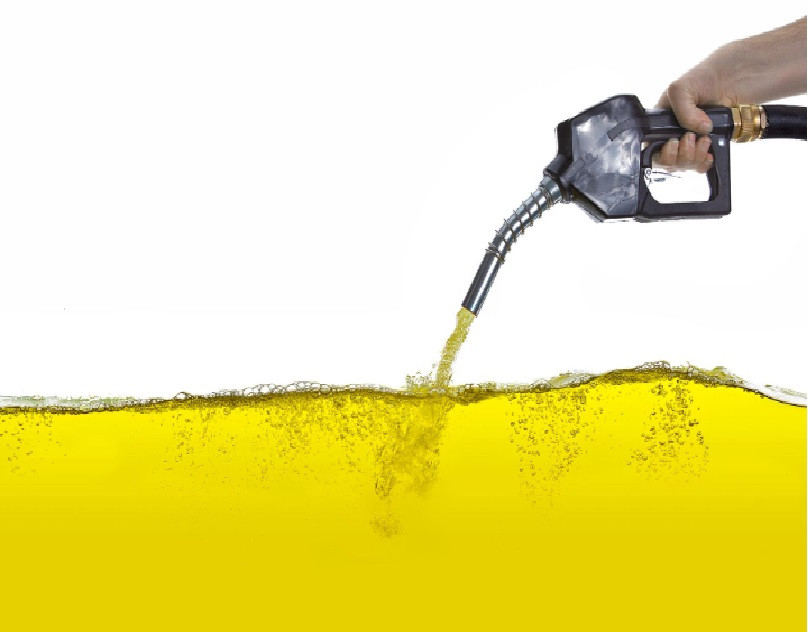
The key benefits of oil-soluble dyes lie in their high solubility, stability, and ability to deliver strong, consistent color in non-aqueous systems. They provide excellent lightfastness, heat resistance, and chemical stability—making them suitable for demanding applications. For instance, in fuel industries, oil-soluble dyes help differentiate fuel grades through clear color coding, while in cosmetics, they are used to achieve luxurious tones in oils, balms, and wax-based formulations.
Combining flame retardants and Oil Soluble Dye in the same product is common in specialized applications such as colored plastics, candles, coatings, and industrial lubricants. While flame retardants enhance safety by reducing fire hazards, oil-soluble dyes improve appearance and functionality without hindering performance. Manufacturers today often seek formulations that balance aesthetics with stringent safety standards, and these two additives help accomplish just that.
As industries evolve, the demand for high-performance additives continues to grow. Innovations in eco-friendly flame retardants and non-toxic oil-soluble dyes are enabling safer, more sustainable solutions. By integrating these advanced materials, manufacturers can offer products that not only meet regulatory requirements but also deliver enhanced visual appeal and long-term reliability.

Comments
Post a Comment