Fire Retardants and Flame Retardants: Enhancing Safety Through Advanced Protection
Fire safety is a critical concern across residential, commercial, and industrial environments. Fire retardants and flame retardants play a vital role in reducing fire-related risks by slowing down ignition, suppressing flame spread, and minimizing heat release. Although the terms are often used interchangeably, both refer to materials or chemicals designed to improve fire resistance and enhance overall safety.
Understanding Fire Retardants and Flame Retardants
Fire retardants are substances applied to materials such as wood, textiles, plastics, and coatings to delay ignition and reduce the intensity of a fire. Flame retardants, on the other hand, are typically incorporated into materials during manufacturing to inhibit or suppress combustion. Both work by interfering with the fire triangle—heat, oxygen, and fuel—thereby preventing or slowing down fire development.
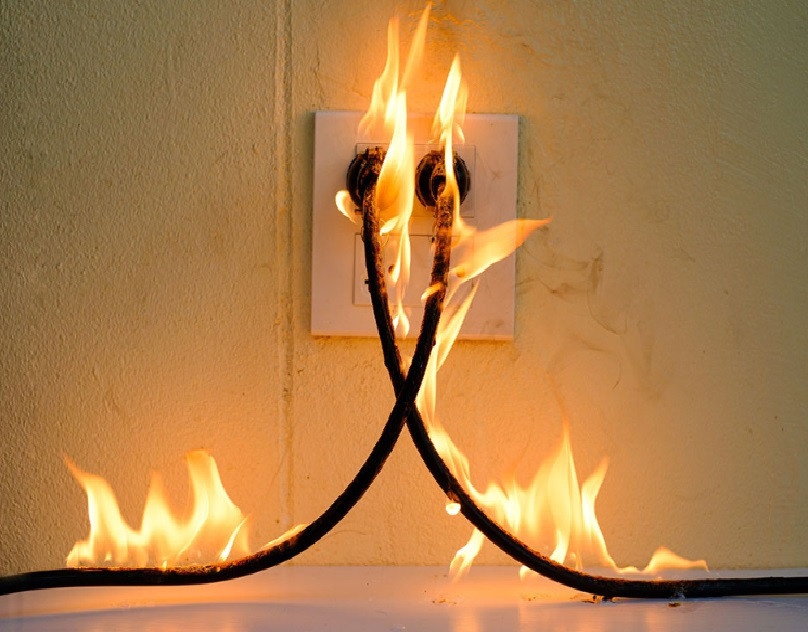
These protective agents are commonly used in construction materials, electrical components, furniture, automotive parts, and industrial equipment. Their primary purpose is to provide valuable time during a fire emergency, allowing occupants to evacuate safely and emergency services to respond effectively.
How Fire and Flame Retardants Work
Fire retardants and flame retardants function through several mechanisms. Some release water or inert gases when exposed to heat, cooling the material and diluting flammable gases. Others form a protective char layer on the surface, acting as a barrier that insulates the underlying material from heat and oxygen. Certain chemical flame retardants disrupt the combustion process at a molecular level, reducing flame propagation.
Depending on the application, these retardants can be additive (mixed into the material) or reactive (chemically bonded to the material). The choice depends on performance requirements, durability, and environmental considerations.
Types of Fire and Flame Retardants
There are various categories of fire retardants and flame retardants, including inorganic, organic, and intumescent systems. Inorganic retardants, such as aluminum hydroxide and magnesium hydroxide, are valued for their thermal stability and low smoke production. Organic flame retardants, including phosphorus- and nitrogen-based compounds, are widely used due to their efficiency and compatibility with polymers. Intumescent fire retardants expand when heated, creating a thick, insulating foam that protects structural elements.
Applications Across Industries
In the construction sector, fire retardants are used in structural steel coatings, insulation materials, and wooden components to meet building fire codes. In electronics, flame retardants protect circuit boards and cables from overheating and ignition. The automotive and aerospace industries rely on these materials to improve passenger safety and comply with strict fire resistance standards. Even textiles and furnishings benefit from flame retardant treatments, reducing fire hazards in homes and public spaces.
Safety, Compliance, and Sustainability
Modern fire retardants and flame retardants are developed to balance performance with health and environmental safety. Regulatory standards ensure that these products meet fire resistance requirements while minimizing toxic emissions and environmental impact. Increasingly, manufacturers are focusing on halogen-free and eco-friendly formulations to support sustainable fire protection solutions.
Conclusion
Fire retardants and flame retardants are essential components of modern fire safety strategies. By delaying ignition, slowing flame spread, and reducing fire intensity, they help protect lives, property, and infrastructure. As technology advances, these protective solutions continue to evolve, offering higher performance, improved sustainability, and greater peace of mind in fire-prone environments.

Comments
Post a Comment