Fire Retardants and Oil Colorants: Essential Additives for Safety and Aesthetic Enhancement
Fire retardants and oil colorants play crucial roles across multiple industries, contributing significantly to product safety, performance, and visual appeal. Whether used in manufacturing, construction, textiles, plastics, or coatings, these additives serve distinct yet complementary purposes. Fire retardants ensure protection against fire hazards, while oil colorants provide vibrant, long-lasting coloration for a wide range of oil-based products. Understanding their functions, applications, and benefits helps industries select the right formulations for optimal results.
Fire Retardants: Enhancing Safety and Compliance
Fire retardants are chemical compounds designed to slow down or stop the spread of fire. They are indispensable in sectors such as electronics, building materials, textiles, transportation, and furniture manufacturing. Their primary function is to reduce flammability and improve the fire resistance of materials, offering critical protection and minimizing fire-related damage.
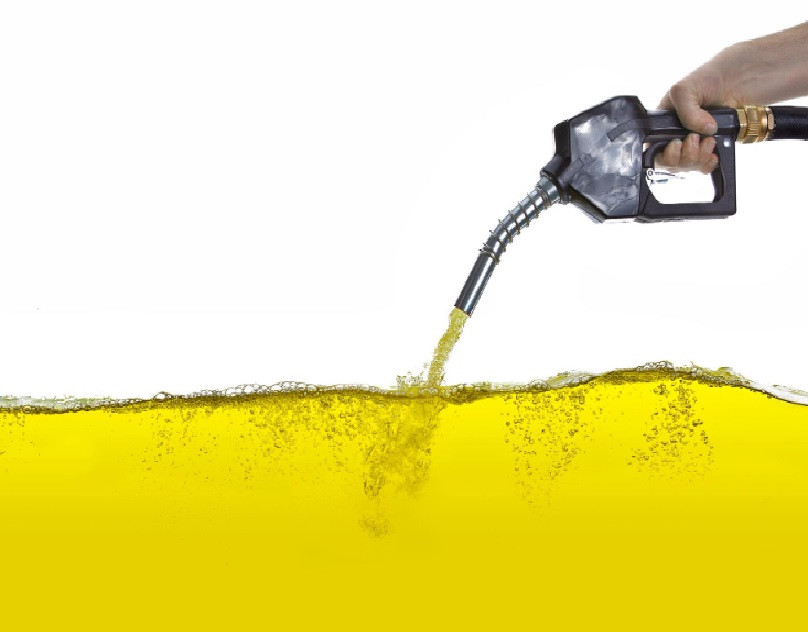
There are various types of fire retardants, including halogenated, phosphorus-based, nitrogen-based, and mineral-based formulations. Each type offers unique advantages depending on the application. For example, halogen-free fire retardants are increasingly preferred due to their environmental friendliness and compliance with global safety regulations like RoHS and REACH. Phosphorus-based retardants are widely used in thermoplastics and coatings for their high efficiency and stability.
Fire retardants work through mechanisms such as forming a protective char layer, absorbing heat, releasing non-combustible gases, or creating a barrier between oxygen and the combustible substrate. Their benefits go beyond safety — they also help manufacturers meet mandatory fire safety standards, boost product durability, and increase consumer confidence.
Oil Colorants: Vibrant and Versatile Additives
Oil colorants are pigments or dye solutions specifically designed to impart color to oil-based products. They are widely used in lubricants, fuels, candles, cosmetics, industrial coatings, and plastic processing. These colorants must be highly stable, non-reactive, and resistant to fading under extreme conditions.
Depending on the requirement, industries choose from organic, inorganic, or solvent-based oil colorants. Organic colorants offer bright, vivid hues ideal for consumer products, while inorganic pigments provide superior heat and chemical resistance suitable for industrial applications. Modern oil colorants are formulated to deliver excellent dispersion, ensuring uniform coloration without altering product performance.
In the automotive and lubricant industries, oil colorants are used to distinguish between different grades or types of fluids, simplifying identification and preventing misuse. In cosmetics and candles, oil colorants enhance aesthetic appeal while maintaining safety and consistency. In industrial coatings, they offer long-lasting color stability even in harsh environments.
Combining Functionality and Innovation
As industries continue evolving, the demand for advanced fire retardants and high-performance oil colorants is growing. Manufacturers now focus on eco-friendly solutions, improved thermal stability, and compatibility with newer materials. Innovation in additive technology ensures better performance, reduced environmental impact, and enhanced manufacturing efficiency.
In conclusion, fire retardants and oil colorants serve as indispensable additives across numerous applications. While fire retardants provide essential protection and compliance with safety standards, oil colorants contribute to aesthetic value and functional identification. Together, they support safe, efficient, and visually appealing product development in modern industries.

Comments
Post a Comment