Understanding Industrial Colorants and Their Practical Uses
Color plays a vital role in product appeal, functionality, and branding across industries. From plastics to inks and coatings, dyes are essential for achieving consistent and vibrant finishes. Unlike pigments, dyes dissolve in their medium, allowing for a smoother and more uniform coloration. Industries today rely heavily on advanced dye technologies to meet performance standards such as heat stability, lightfastness, and chemical resistance. These qualities ensure that products not only look appealing but also maintain their integrity over time. As manufacturing evolves, the demand for specialized dyes continues to grow.
What Makes Solvent-Based Dyes Unique
One of the most commonly used categories in industrial applications is the Solvent Dye. These dyes are designed to dissolve in organic solvents rather than water, making them highly suitable for products like varnishes, fuels, and plastics. Their ability to provide transparent and bright colors makes them ideal for applications where clarity is essential. Additionally, solvent-based dyes offer excellent penetration, ensuring even distribution across materials. Their compatibility with various substrates enhances their versatility, allowing manufacturers to achieve desired color effects without compromising product performance or durability.
Industrial Applications and Performance Benefits
Solvent-based dyes are widely used in sectors such as automotive, packaging, and printing. In automotive coatings, they contribute to vibrant finishes and improved resistance to environmental factors. In the packaging industry, these dyes help create visually appealing designs that attract consumers. Their quick-drying nature also improves production efficiency, reducing downtime during manufacturing. Furthermore, these dyes are known for their stability under extreme conditions, making them reliable for long-term use. As industries prioritize efficiency and quality, solvent-based dyes continue to be a preferred choice for many applications.
Role of Oil-Compatible Colorants in Manufacturing
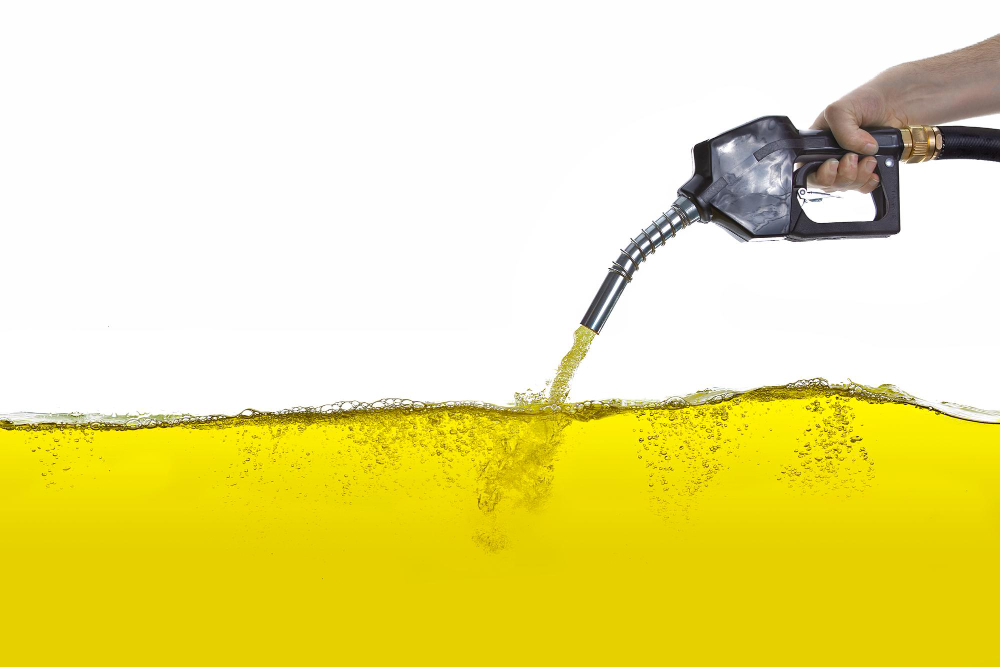
Another important category is the Oil Soluble Dye, which is specifically formulated to dissolve in oils and hydrocarbons. These dyes are commonly used in lubricants, waxes, and fuel systems. Their ability to blend seamlessly with oil-based products ensures consistent coloration without affecting the chemical properties of the base material. This makes them particularly useful in applications where maintaining the original composition is critical. Oil-compatible dyes also provide excellent resistance to fading, ensuring that the color remains stable even under prolonged exposure to heat and light.
Choosing the Right Dye for Specific Needs
Selecting the appropriate dye depends on several factors, including the medium, application method, and desired outcome. Manufacturers must consider compatibility, solubility, and performance requirements before making a choice. While solvent-based dyes are ideal for transparent finishes, oil-soluble dyes are better suited for lubrication systems and fuel identification. Understanding these differences helps industries optimize their processes and achieve consistent results. With advancements in dye technology, businesses now have access to a wide range of options tailored to specific industrial needs.
Conclusion and Industry Outlook
The future of industrial dyes lies in innovation and sustainability. As environmental regulations become stricter, manufacturers are focusing on developing eco-friendly solutions without compromising performance. High-quality dyes not only enhance product appearance but also contribute to efficiency and reliability. Companies like Anar Chemicals LLP are playing a crucial role in meeting these evolving demands by offering dependable and advanced dye solutions. With continuous research and development, the industry is set to achieve new levels of excellence, ensuring that color remains a defining element in modern manufacturing.

Comments
Post a Comment